Here’s a wake-up call no one asked for: your pillowcase could be harboring more bacteria than a toilet seat. Yup, the place you rest your face for eight hours a night might just be the grossest part of your entire bedroom.
Let’s talk numbers (and germs)
Studies have shown that after just one week, the average pillowcase can host over 3 million bacteria per square inch. Think: sweat, drool, hair oil, leftover makeup, and dead skin cells—all having an 8-hour slumber party on your face.
If you’re noticing breakouts, dull skin, or irritated eyes, your pillowcase could be the culprit. It’s not your serum—it’s your sheets.
Cotton makes it worse
Cotton pillowcases might feel cozy, but they’re basically bacteria sponges. Cotton traps moisture (aka a breeding ground for acne-causing bacteria) and absorbs your skincare products instead of letting them sink into your skin.
Translation: all that fancy hyaluronic acid is hydrating your pillow—not your face.
Silk = skin’s cleanest wingman
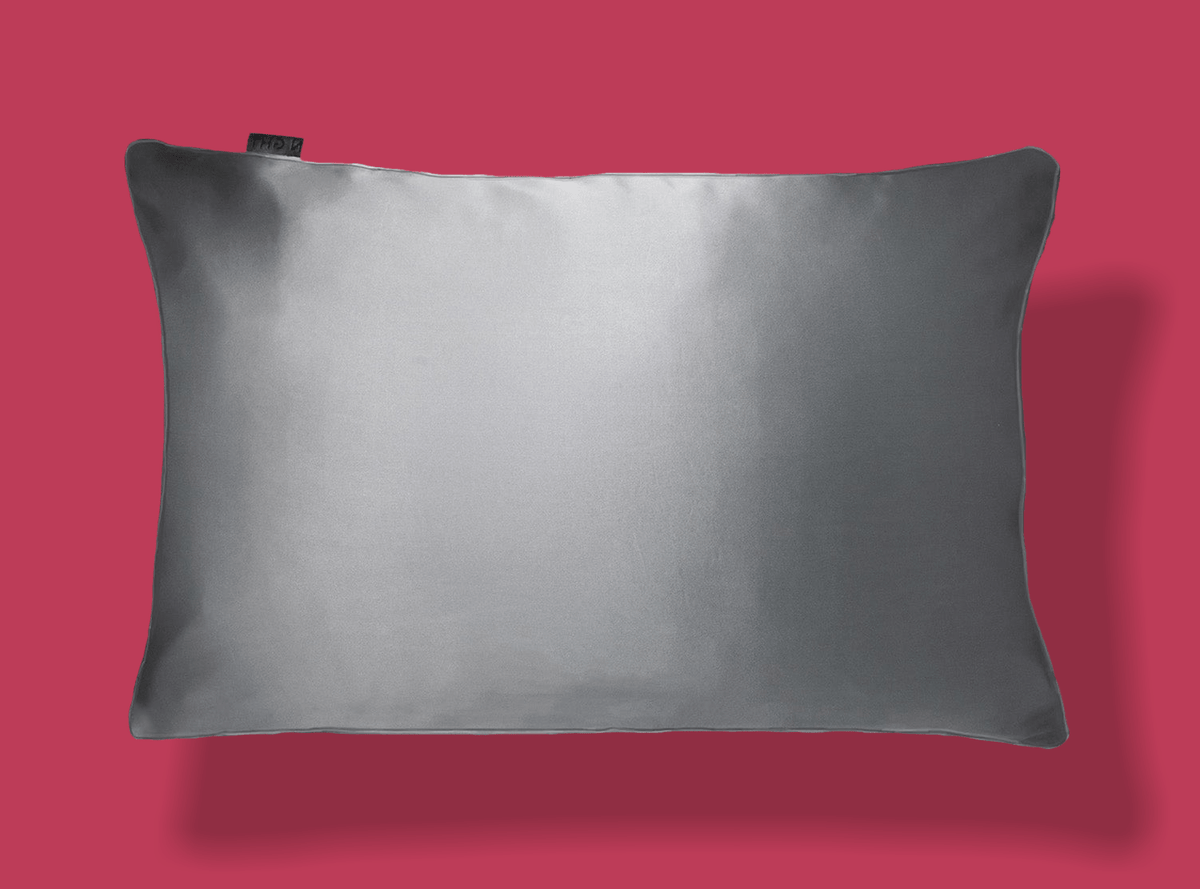
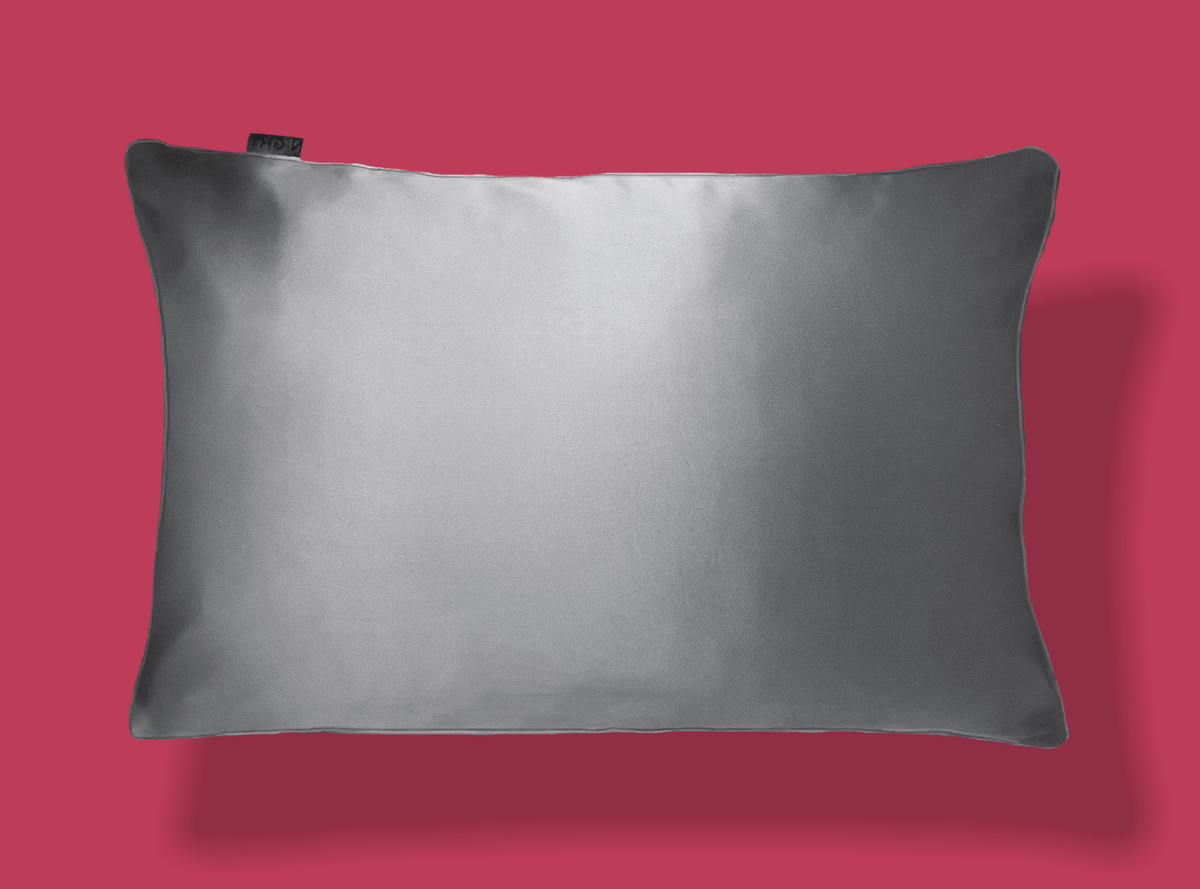
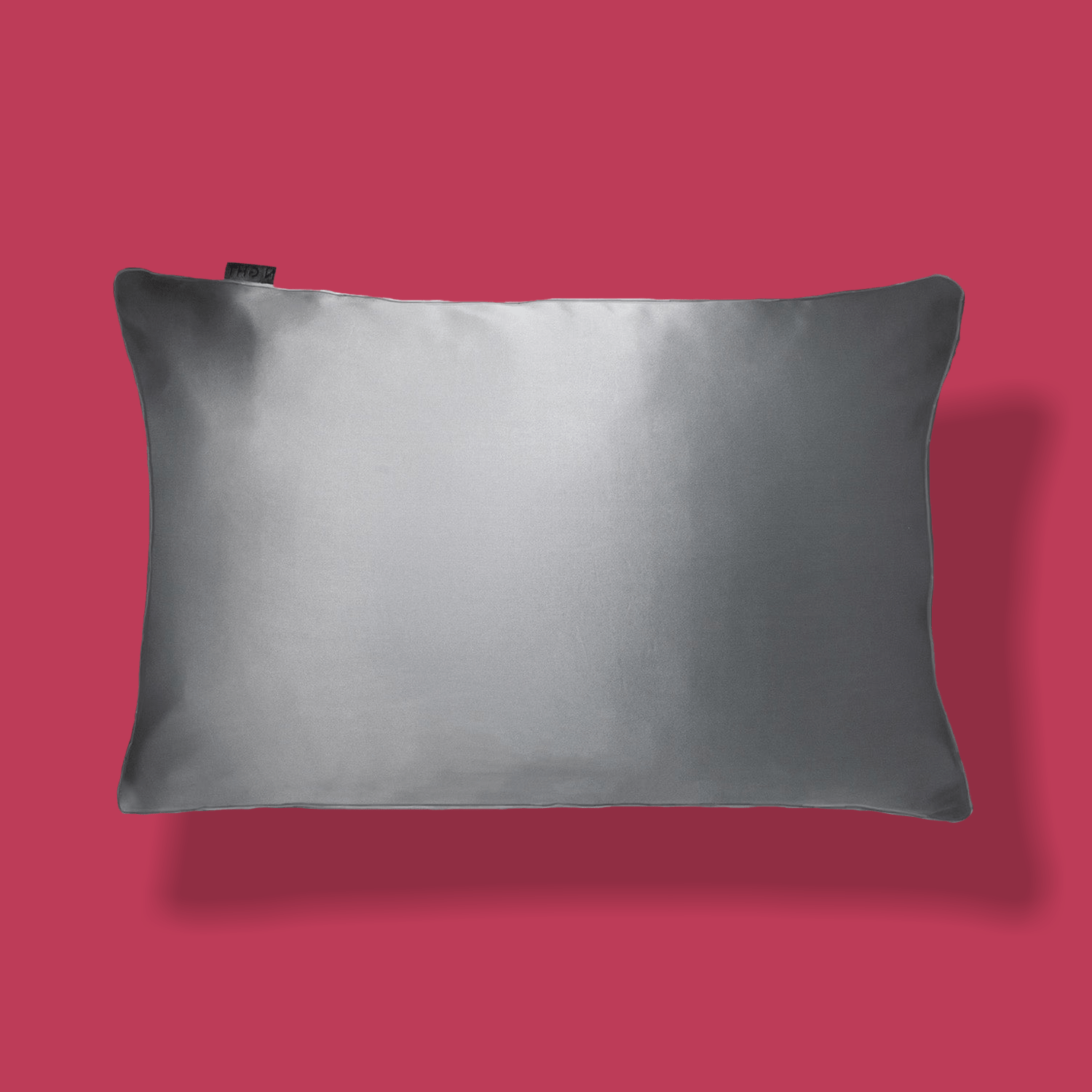
Here’s where 100% Mulberry Silk changes the game. Unlike cotton, silk is naturally hypoallergenic, antimicrobial, and moisture-retaining. That means fewer bacteria, better hydration, and smoother skin and hair every morning.
Bonus: silk’s friction-free surface keeps hair cuticles sealed—goodbye frizz, hello glassy strands.
How often should you wash your pillowcase?
Dermatologists recommend swapping out pillowcases every 3–4 days. But if you’re a night sweats champion or skincare junkie, make it every 2. Your pores will thank you.
Pro tip: alternate between two silk pillowcases so one’s always clean and ready to go. (We sell them in pairs for a reason.)
So, how clean is your sleep?
If you wouldn’t put your face on a toilet seat, don’t put it on a dirty pillowcase either. Upgrade your sleep with silk that stays cleaner, longer—because beauty sleep should be bacteria-free.